
Overview
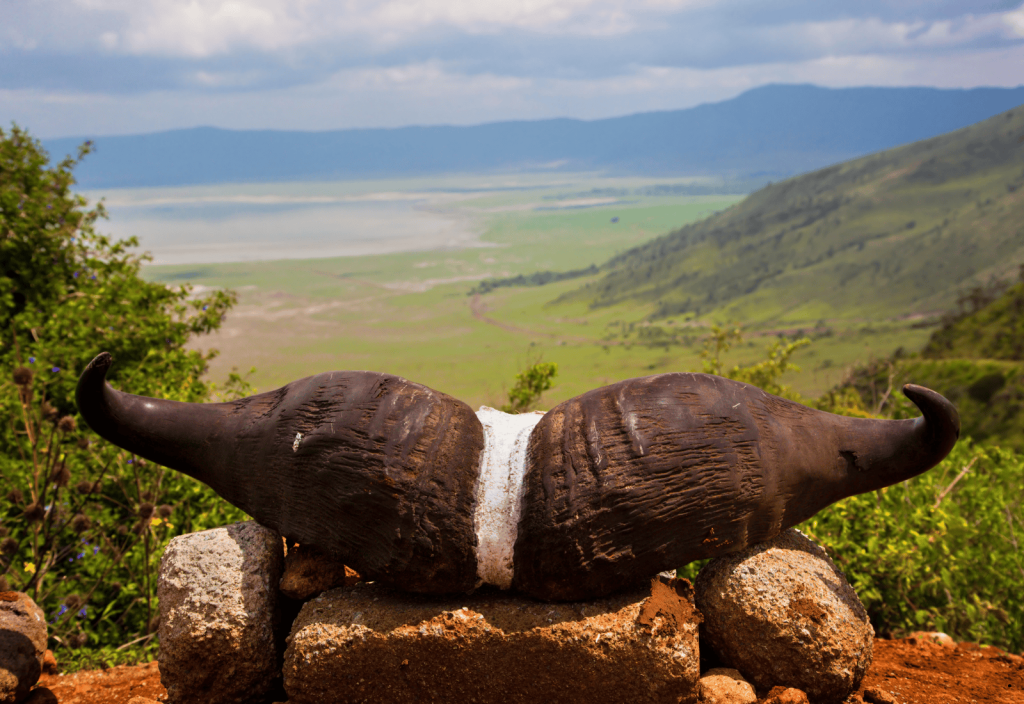
Ngorongoro Crater: is a protected area and a UNESCO World Heritage Site located in Ngorongoro District, 180 km (110 mi) west of Arusha City in Arusha Region, within the Crater Highlands geological area of northeastern Tanzania. The area is named after Ngorongoro Crater, a large volcanic caldera within the area. The Ngorongoro Conservation Area Authority administers the conservation area, an arm of the Tanzanian government, and its boundaries follow the boundary of the Ngorongoro District in Arusha Region. The western portion of the park abuts the Serengeti National Park, and the area comprising the two parks and Kenya’s Maasai Mara game reserve is home to Great Migration, a massive annual migration of millions of wildebeest, zebras, gazelles, and other animals. The conservation area also contains Olduvai Gorge, one of the most important paleoanthropological sites in the world.
The 2009 Ngorongoro Wildlife Conservation Act placed new restrictions on human settlement and subsistence farming in the Crater, displacing Maasai pastoralists, most of whom had been relocated to Ngorongoro from their ancestral lands to the north when the British colonial government established Serengeti National Park in 1959.
Best Time to Visit
Although the roads around the caldera can get rather muddy, the best time to visit the Ngorongoro Crater in Tanzania is during the April to May rainy season. There are far fewer visitors this time of the year, and the crater is wonderfully lush and green compared to the dusty dry-season landscape. High visitor numbers can be expected during the July to September peak season, and again during the December to February calving season that follows the November rains.
With Ngorongoro’s wildlife remaining in the steep-walled crater all year round, the question of when to go on Ngorongoro Crater safaris is less about optimising your game viewing experience and more about how many other people and vehicles you want to share the crater with.
Key Highlights
Great Migration: This is the annual movement of millions of wildebeests, zebras, and other herbivores across the Serengeti ecosystem, driven by the search for fresh grazing and water. It’s one of the most extraordinary natural events, attracting tourists and researchers from around the world.
Activities
Game Drives: Embark on guided game drives through the Serengeti’s diverse habitats, where you can spot the Big Five and other wildlife in their natural environment. Game drives can be done in open-top safari vehicles, allowing for excellent viewing and photography opportunities.
Hot Air Balloon Safaris: Experience the Serengeti from a unique perspective by taking a hot air balloon safari. Drifting silently above the savanna at dawn provides breathtaking views of the landscape and wildlife below.
Walking Safaris: Explore the Serengeti on foot with experienced guides, offering a different perspective and a chance to observe the smaller details of the ecosystem, such as tracks, plants, and insects.
Birdwatching: The Serengeti is home to a wide variety of bird species, making it a paradise for birdwatchers. Look out for colourful species like lilac-breasted rollers, secretary birds, and various raptors.
Cultural Visits: Learn about the local Maasai culture by visiting nearby villages and interacting with community members. You can participate in cultural activities, such as traditional dances, and gain insights into their way of life and connection to the land.
Photography Safaris: Capture the stunning landscapes and wildlife of the Serengeti with photography safaris led by experienced guides who know the best spots for photography opportunities.
Conservation Tours: Gain a deeper understanding of the conservation efforts in the Serengeti by visiting research centres and engaging with conservationists working to protect the ecosystem and its wildlife.
These activities offer a range of experiences for visitors to enjoy the beauty and biodiversity of the Serengeti while respecting its natural environment and wildlife.